
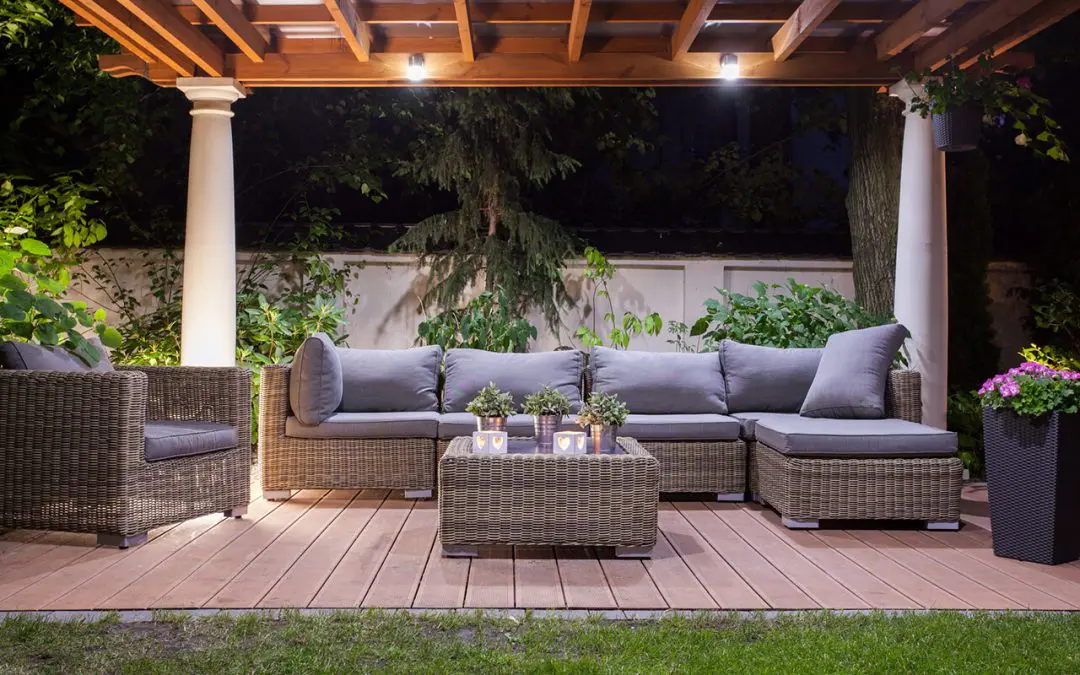
A relaxing patio is one of the most attainable home improvements available. Unlike a kitchen renovation or a bathroom remodel, creating an outdoor space that genuinely invites you to sit down, slow down, and stay awhile doesn’t require a contractor or a significant budget. It requires intentional choices about comfort, shade, privacy, and atmosphere. The patios that actually get used are the ones designed around how people want to feel, not just how they want the space to look.
What Makes a Patio Actually Relaxing
The difference between a patio that gets used and one that gets ignored comes down to comfort and habitability. A beautiful patio in full sun with no privacy and nowhere comfortable to sit is a patio people walk past rather than settle into. A relaxing patio solves the practical problems first and then layers in the details that make it feel like a genuine retreat. Shade is the most foundational element of a relaxing patio in most climates. Without it, the space is only usable in the early morning and evening. A pergola with a shade sail, a large cantilever umbrella, or a retractable awning all provide meaningful shade while leaving the space open and airy. The principle holds across all options: shade turns a patio from a corridor into a destination. Comfortable seating is the second foundational element. Outdoor furniture that looks attractive but isn’t comfortable to sit in for more than twenty minutes defeats the purpose. Deep-seated sectionals with thick cushions, loungers that recline, or a combination of dining and lounge seating all support the extended outdoor time that makes a patio genuinely relaxing. Invest in the cushions, thin cushions are the most common reason patio furniture goes unused despite looking appealing.
Designing a Relaxing Patio With Privacy and Ambiance
Privacy transforms a patio from a space you’re in to a space you retreat to. An open patio that feels exposed to neighbors or traffic doesn’t invite the mental decompression that makes outdoor time restorative. Creating visual enclosure without building walls is one of the most impactful things you can do for a relaxing patio. Tall planters with columnar plants, lattice panels with climbing vines, outdoor curtains hung from a pergola, and strategically placed large shrubs all create enclosure that feels natural. The goal is enough visual separation to allow genuine relaxation without feeling confined. Lighting extends a relaxing patio from a daytime amenity to an evening destination. Warm-toned string lights hung overhead create an atmosphere that feels both festive and intimate at minimal cost. Solar lanterns on surfaces and a candle or two on the table transform the ambiance after dark without any electrical work.
The Details That Elevate a Relaxing Patio
The finishing details are what transform a functional outdoor space into somewhere people actually want to spend time. Sound matters more than most homeowners realize. A small outdoor fountain masks ambient noise and replaces it with something genuinely calming. Even a tabletop fountain produces enough sound to noticeably improve the sensory quality of a relaxing patio. An outdoor Bluetooth speaker tucked discreetly into a corner provides music without dominating the atmosphere. Plants and greenery make a relaxing patio feel alive rather than constructed. Container gardens with a mix of textures and heights, a few herb pots within arm’s reach, and trailing plants from elevated planters add visual interest, soften hard surfaces, and connect the space to the natural environment in a way manufactured decor doesn’t replicate. A small outdoor rug defines the seating area, anchors the furniture arrangement, and adds warmth underfoot that bare concrete or pavers don’t provide. Outdoor rugs designed for UV and moisture resistance hold up through seasons and are one of the most immediate visual upgrades at accessible price points.
Frequently Asked Questions (FAQs)
What is the most important element of a relaxing patio?
Shade and comfortable seating are tied as the most important elements. Once shade and seating are addressed, privacy and ambiance become the next most impactful investments for a truly relaxing patio.
How do I make a small patio feel like a relaxing retreat?
Small patios benefit from vertical thinking, using height to create enclosure and visual interest the footprint can’t provide horizontally. Tall planters, wall-mounted trellises, hanging plants, and overhead string lights add dimension without consuming floor area. Choosing furniture scaled to the space keeps the patio from feeling cluttered. A small fountain, a defined outdoor rug, and consistent lighting make a modest space feel intentional rather than undersized.
What outdoor furniture material is best for a relaxing patio?
The best material depends on climate and maintenance tolerance. All-weather wicker over an aluminum frame is the most popular choice for comfort, aesthetics, weather resistance, and manageable weight. Teak is the premium option but requires periodic oiling. Aluminum is lightweight and won’t rust, ideal for rainy climates. Whatever the frame material, quality outdoor cushions are the most important investment for actual comfort.
How do I keep my patio looking good with minimal maintenance?
Cover or store cushions during heavy rain and extended non-use. Choose low-maintenance plants: succulents, ornamental grasses, and hardy perennials thrive with minimal attention. Sweep debris off the surface regularly to prevent staining and moss growth. Furniture covers used consistently protect finishes and extend the life of every piece considerably.
Can I create a relaxing patio on a limited budget?
Absolutely. String lights, outdoor rugs, and throw pillows for existing furniture are immediate upgrades at minimal cost. A large umbrella provides shade without the investment of a pergola. Thrift stores, estate sales, and online marketplaces frequently have quality outdoor furniture at a fraction of retail. Container gardens with a few well-chosen plants add life and color inexpensively. Prioritize comfort first, shop secondhand for furniture, and build ambiance through lighting and plants rather than expensive hardscape.
Home Support Property Inspections offers professional inspections to first-time homeowners in Maryland and DC. Contact us to request our services.