
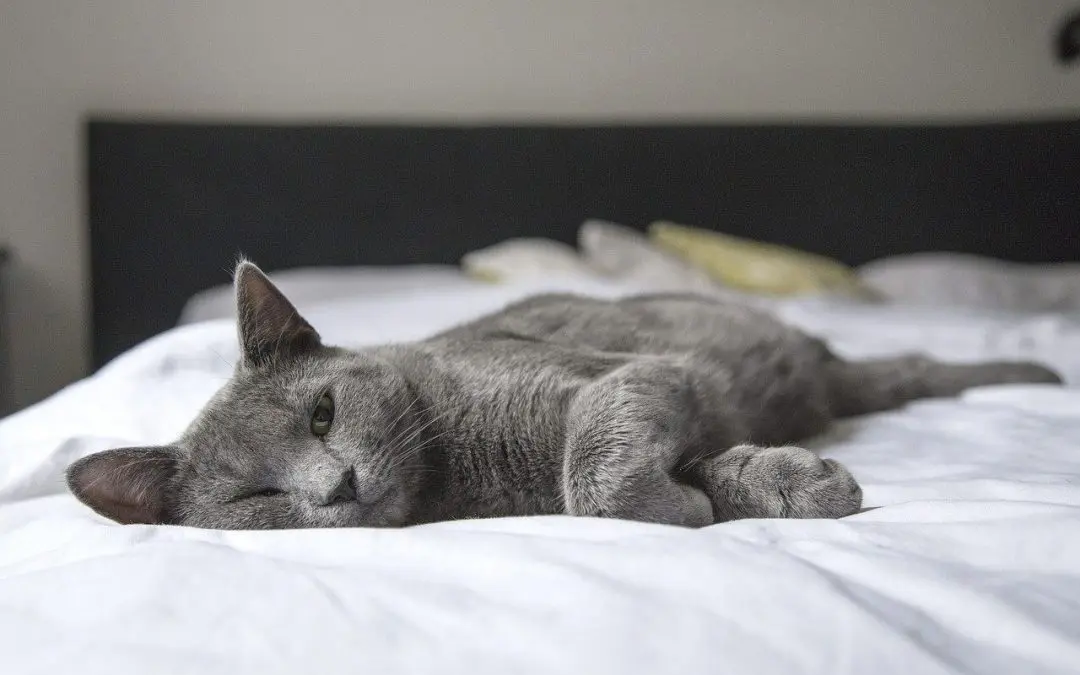
Bringing a four-legged friend into your household is one of life’s greatest joys, but it undeniably changes the landscape of your chores. For many people, the desire for a spotless environment with pets feels like a losing battle against fur, dander, and occasional muddy footprints. Mastering the right cleaning tips for pet owners is key to maintaining a home that feels fresh and welcoming. The secret lies in a combination of preventive strategies and specialized tools that target the unique types of messes animals create. By establishing a proactive routine, you will ensure your living space remains a clean sanctuary for both humans and animals.
Fur Management Cleaning Tips for Pet Owners
The most persistent challenge for any animal lover is the constant accumulation of hair on every imaginable surface. To keep your upholstery and carpets from becoming a permanent home for fur, you must adopt a multi-layered approach to hair removal. While a high-quality vacuum with a HEPA filter and specialized pet hair attachments is a mandatory investment, there are other manual cleaning tips for pet owners that can be even more effective for quick touch-ups. For example, using a simple rubber squeegee on your rugs will pull up deep-seated hair that even the strongest vacuum might miss. Similarly, wearing a damp rubber glove while wiping down fabric sofas allows the fur to clump together, making it incredibly easy to peel off and discard. Regular grooming of your pet is the best way to stop the problem at the source, but for the hair that inevitably escapes, these localized strategies are essential for daily maintenance.
Managing Odors and Air Quality
Pets bring a unique scent profile to a home, and if left unchecked, these odors settle into fabrics and air vents, creating a lingering “doggy” smell that greets visitors at the door. One of the most effective cleaning tips is the liberal use of enzymatic cleaners rather than standard chemical detergents. When an accident occurs, enzymatic solutions actually break down the proteins in urine and saliva, eliminating the odor at a molecular level rather than just masking it with perfume. Beyond spot treatments, maintaining your home’s air quality requires regular attention to your HVAC filters. Pets produce a significant amount of dander, which may clog standard filters and circulate allergens throughout the house. Switching to a high-efficiency filter and running an air purifier in the rooms where your pet spends the most time will significantly reduce the airborne particles that contribute to household odors.
Protecting Floors and Entryways
The transition from the outdoors to the indoors is where the most significant messes usually happen. To keep your floors pristine, you should treat your entryways as “decontamination zones.” Placing heavy-duty, washable mats both inside and outside your doors will catch much of the dirt and moisture from your pet’s paws before they track it onto your hardwood or tile. One of the most practical cleaning tips for pet owners is to keep a dedicated “paw station” near the door, stocked with pet-safe wipes or a specialized paw plunger and a microfiber towel. Taking thirty seconds to wipe down your dog’s feet after a walk prevents mud, allergens, and street grime from settling into your carpets. If you have hardwood floors, keeping your pet’s nails trimmed is also vital, as it prevents deep scratches that can trap dirt and make the wood appear dull and worn over time.
Fabric and Upholstery Cleaning Tips for Pet Owners
Your furniture is often the most expensive investment in your home, and it is also the place where pets love to lounge. To protect your sofas and chairs, consider using stylish, machine-washable throws that match your decor. This allows you to simply toss the cover in the laundry once a week, removing hair and oils without having to deep-clean the entire piece of furniture. When selecting new furniture, look for “pet-friendly” fabrics like distressed leather or high-performance synthetics, such as microfiber, which are resistant to snagging and easy to wipe down. A final tip for upholstery is to use baking soda as a natural deodorizer: sprinkle it on fabric surfaces, let it sit for 20 minutes, then vacuum it up. This is an excellent way to refresh your furniture without using harsh chemicals that might irritate your pet’s sensitive skin.
Frequently Asked Questions (FAQs)
What is the best way to get pet urine out of a carpet?
The key is to act quickly and use an enzymatic cleaner. These cleaners use “good” bacteria to break down odor-causing molecules, helping prevent your pet from returning to the same spot.
How often should I vacuum if I have multiple pets?
If you have multiple pets or a breed that sheds heavily, you should ideally vacuum high-traffic areas every day or at least every other day. Using a robot vacuum is a great way to handle the daily maintenance while you save the heavy-duty upright vacuum for a deeper weekly cleaning.
Are essential oils safe to use for masking pet odors?
You should be very cautious with essential oils around pets. Many common oils, such as tea tree, peppermint, and certain citrus oils, may be toxic to dogs and cats if inhaled or absorbed through the skin.
How do I stop my cat from tracking litter all over the house?
To minimize litter tracking, use a “top-entry” litter box or place a large, textured mat at the box’s exit.
Home Support Property Inspections offers professional inspections to first-time homeowners in Maryland and DC. Contact us to request our services.