
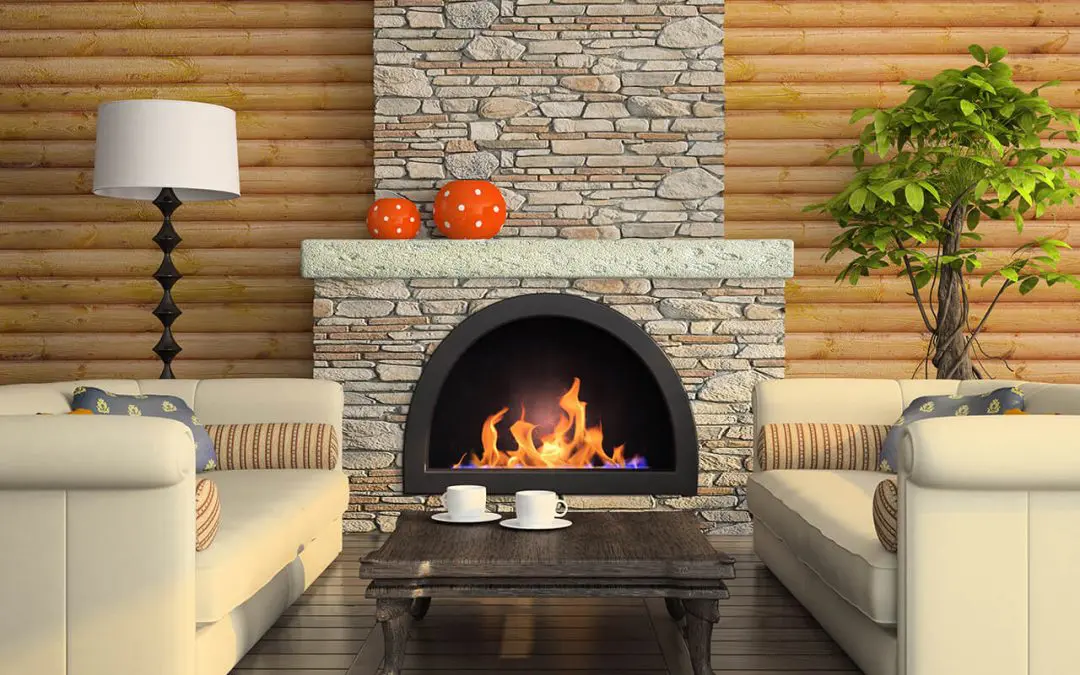
Gas fireplace safety is a crucial consideration for homeowners seeking the comfort and ambiance of a fireplace without unnecessary risk. While gas fireplaces are generally cleaner and more convenient than wood-burning options, they still rely on combustible fuel and mechanical components that require proper care. Understanding how these systems work and how to use them responsibly helps ensure that a gas fireplace remains a safe and enjoyable feature in the home.
Understanding Gas Fireplace Safety Basics
Gas fireplaces operate by burning natural gas or propane to produce heat and flame. Unlike traditional fireplaces, they do not require logs, kindling, or ash cleanup, which often leads homeowners to assume they are completely maintenance-free. However, gas fireplace safety depends on proper installation, ventilation, and regular inspections to prevent hazards such as gas leaks, carbon monoxide exposure, or component failure. Because these fireplaces are often used during colder months, issues may go unnoticed for long periods. Paying attention to how the unit operates and addressing minor concerns early can prevent more significant safety problems later.
Gas Fireplace Safety and Proper Ventilation
Ventilation plays a crucial role in ensuring the safety of gas fireplaces. Most gas fireplaces are vented through a chimney or a direct vent system, which allows exhaust gases to exit the home safely. If vents become blocked or damaged, harmful byproducts like carbon monoxide can accumulate indoors. Homeowners should ensure vents remain clear of debris, nests, or snow buildup, especially after storms or long periods of disuse. Any unusual odors, soot buildup, or difficulty maintaining a flame may indicate a ventilation issue that needs professional attention.
Routine Maintenance Supports Gas Fireplace Safety
Regular maintenance is one of the most effective ways to protect gas fireplace safety. Over time, burners, valves, and ignition systems wear down or become dirty, affecting performance. An annual inspection by a qualified technician helps confirm that all components are functioning correctly and safely. Maintenance visits typically include checking gas connections, cleaning internal parts, testing safety controls, and verifying proper venting. These steps reduce safety risks, improve efficiency, and extend the life of the fireplace.
Signs Your Gas Fireplace May Be Unsafe
Recognizing early warning signs is an important part of gas fireplace safety. A healthy gas fireplace should produce steady flames that are mostly blue with minimal yellow tipping. Excessive yellow flames, strong odors, or visible soot may signal incomplete combustion or airflow problems. Unusual noises, delayed ignition, or a pilot light that frequently goes out should never be ignored. These issues may indicate faulty components or gas supply problems that require professional evaluation before continued use.
Safe Operation Habits for Everyday Use
Safe habits play a significant role in ensuring gas fireplace safety during daily operation. Fireplaces should never be used as a primary heat source unless they are specifically designed for that purpose. Flammable items such as furniture, decorations, or curtains should be kept at a safe distance from the unit. Glass fronts on gas fireplaces may become extremely hot during operation and remain hot long after the flame is turned off. Households with children or pets should consider protective screens or barriers to prevent accidental contact.
Gas Fireplace Safety Concerning Carbon Monoxide
Carbon monoxide is a colorless, odorless gas that may be produced when fuel does not burn properly. Gas fireplace safety includes having working carbon monoxide detectors installed near sleeping areas and on each level of the home. These devices provide an early warning if dangerous levels are present. Detectors should be tested regularly, and batteries replaced as needed. While modern gas fireplaces are designed with safety features, detectors add an important layer of protection and peace of mind.
Seasonal Checks Before Lighting the Fireplace
Before the first use of the season, homeowners should perform a visual inspection. Checking for dust buildup, damaged vents, or signs of corrosion helps identify potential issues early. Turning the fireplace on briefly and observing flame behavior could also reveal problems that need attention. Seasonal awareness supports gas fireplace safety by guaranteeing the system is ready for safe operation when temperatures drop.
When Professional Help Is Necessary
Any concerns involving gas odors, poor performance, or visible damage should prompt immediate professional service. Attempting repairs without proper training can create additional risks. Certified technicians possess the necessary tools and expertise to diagnose and resolve safety concerns accurately. Gas fireplace safety depends on knowing when to enjoy the warmth and when to seek expert help.
By understanding and practicing gas fireplace safety, homeowners will confidently enjoy the warmth, comfort, and ambiance their fireplace provides throughout the colder months.
Frequently Asked Questions (FAQs)
Is a gas fireplace safer than a wood-burning fireplace?
Gas fireplaces are generally considered safer because they eliminate sparks, embers, and creosote buildup. However, they still require proper installation, ventilation, and maintenance to remain safe.
How often should a gas fireplace be inspected?
Most professionals recommend annual inspections. Regular servicing helps identify wear, gas leaks, or ventilation issues before they become serious safety concerns.
Can a gas fireplace be left on overnight?
While some models are designed for extended use, it is generally safer to turn the fireplace off when unattended or while sleeping unless the manufacturer specifically states otherwise.
Do gas fireplaces produce carbon monoxide?
Yes, gas fireplaces can produce carbon monoxide if combustion is incomplete or ventilation is compromised. Working carbon monoxide detectors are essential for safety.
What should be done if a gas smell is noticed?
If a gas odor is detected, the fireplace should be turned off immediately, the area ventilated, and a professional contacted. If the smell is strong, leaving the home and contacting the gas provider is recommended.
Home Support Property Inspections offers professional inspections to first-time homeowners in Maryland and DC. Contact us to request our services.