
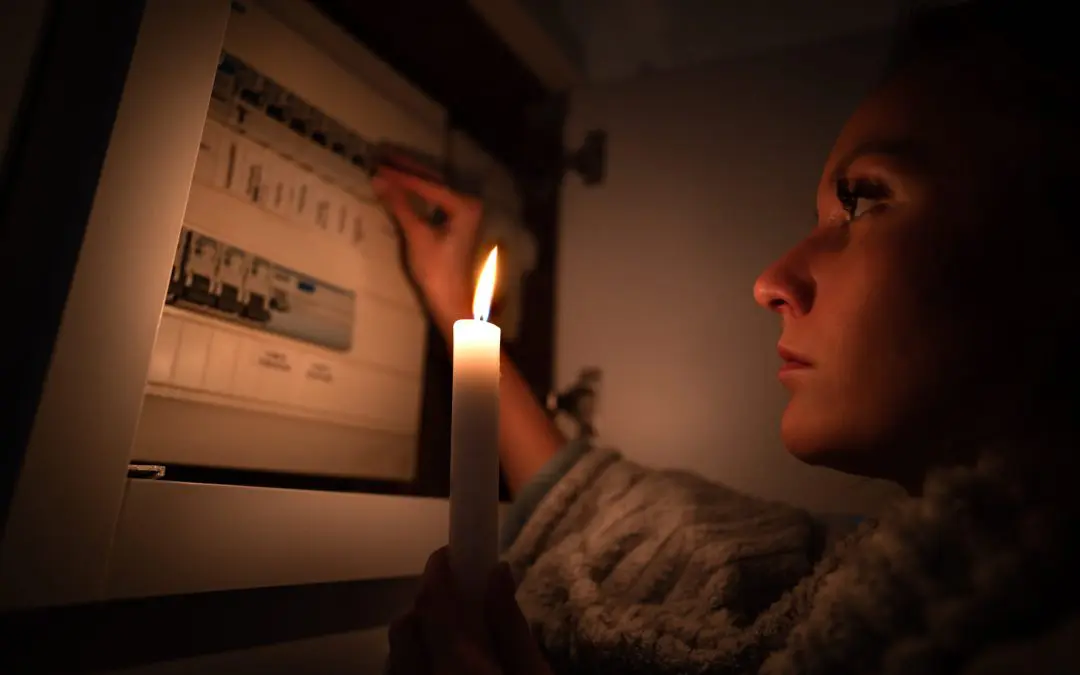
Winter storms, high winds, and aging utility lines mean a power outage is a matter of when, not if, for most Maryland homeowners. Outages can last hours or days, and the difference between an inconvenience and a real problem usually comes down to preparation. A little planning before the lights go out keeps your household warm, fed, and safe, and it takes far less effort than most people expect. Here’s how to get ready, step by step.
How to Prepare for a Power Outage Before It Happens
Start by assembling a basic kit in a spot everyone could find in the dark. Include flashlights or lanterns with extra batteries, a battery-powered or hand-crank radio, a first aid kit, a week’s supply of any medications, and a portable phone charger. Store at least a gallon of water per person per day for three days, along with non-perishable food that doesn’t require cooking, and keep a manual can opener on hand. Write down important phone numbers, including your utility’s outage line, since a dead phone can leave you without contacts. Finally, show everyone in the household where the flashlights are kept and how to open an electric garage door manually. Keep extra blankets, warm clothing, and a few books or games in the same spot so kids stay occupied.
Keep Food and Water Safe
A closed refrigerator keeps food cold for about four hours, and a full freezer holds its temperature for roughly 48 hours if the door stays shut, so resist the urge to keep opening them. Packing the freezer tightly helps everything stay cold longer. If a storm is forecast, freeze containers of water to fill empty space and act as ice, and keep a cooler and bagged ice ready for longer outages. A thermometer in the refrigerator takes the guesswork out of decisions afterward. As a rule, discard perishable food that has been above 40 degrees for more than two hours after a power outage, because when in doubt, throwing it out is the safe choice.
Stay Warm Safely During a Power Outage
Dress in layers, close off unused rooms, and hang blankets over windows to hold in heat. Never use a gas oven, grill, camp stove, or charcoal burner indoors for warmth, since they produce deadly carbon monoxide. If you use a generator, run it outdoors at least 20 feet from the house, away from windows, doors, and vents, and never in a garage or basement. Make sure battery-powered carbon monoxide detectors are working. In summer, close blinds, move to the lowest level of the house, and drink plenty of water to stay cool. Check on elderly neighbors and family members, who are most at risk in extreme temperatures.
Protect Your Electronics and Stay Informed
Unplug sensitive electronics such as computers and televisions, since a surge when power returns can damage them, and leave one light switched on so you’ll know when electricity is restored. Charge phones and power banks ahead of any forecasted storm, keep a little cash on hand since card readers and ATMs may not work, and fill your car’s gas tank because pumps need electricity. Report the power outage to your utility, even if neighbors are also in the dark, and sign up for text alerts so you receive restoration estimates. If anyone in the home relies on electricity-powered medical equipment, make a backup plan with the provider well in advance.
Frequently Asked Questions (FAQs)
How long should I be prepared to be without power?
Aim for at least 72 hours of water, food, medications, and supplies. Most outages are shorter, but major storms can leave neighborhoods without electricity for several days, and road conditions may slow restoration crews.
Do I need a generator?
Not necessarily. A portable power station can run phones, lights, and small devices for hours with no fumes. If you do buy a generator, always operate it outdoors, well away from the house, and have a licensed electrician install any transfer switch.
Is food safe to eat after the power comes back?
Discard perishable items that were above 40 degrees for more than two hours, including meat, dairy, and leftovers. Frozen food that still has ice crystals can usually be refrozen, though quality may suffer.
What should I do when power returns?
Wait several minutes, then turn on appliances one at a time to avoid an overload. Check the refrigerator temperature, reset clocks and timers, and confirm that your thermostat and any smart devices are working normally.
Should I turn off the main breaker during an outage?
It isn’t required, but switching off major appliances and unplugging sensitive electronics helps prevent surges when electricity is restored.
Home Support Property Inspections offers professional inspections to homebuyers in Maryland and DC. Contact us to request our services.