
Summer is prime time for outdoor living, but it’s also one of the most demanding seasons for your lawn. Heat, drought, increased foot traffic, and pest pressure all peak simultaneously, putting stress on grass that looked lush and healthy just a few weeks earlier. The good news is that with the right lawn care routine in place, maintaining a healthy, attractive yard through the hottest months of the year is entirely achievable.
The Foundation of Good Summer Lawn Care
Healthy summer grass starts with the decisions you make before peak heat arrives. If your lawn hasn’t been aerated recently, early summer is a good time to address compaction, particularly in high-traffic areas where soil becomes dense and restricts the water and nutrient absorption grass needs to stay healthy. A soil test can reveal any deficiencies worth addressing before the heat of summer makes your lawn less resilient. Getting these fundamentals right early in the season sets your lawn up to handle whatever summer throws at it with far greater ease.
Mowing the Right Way Makes a Real Difference
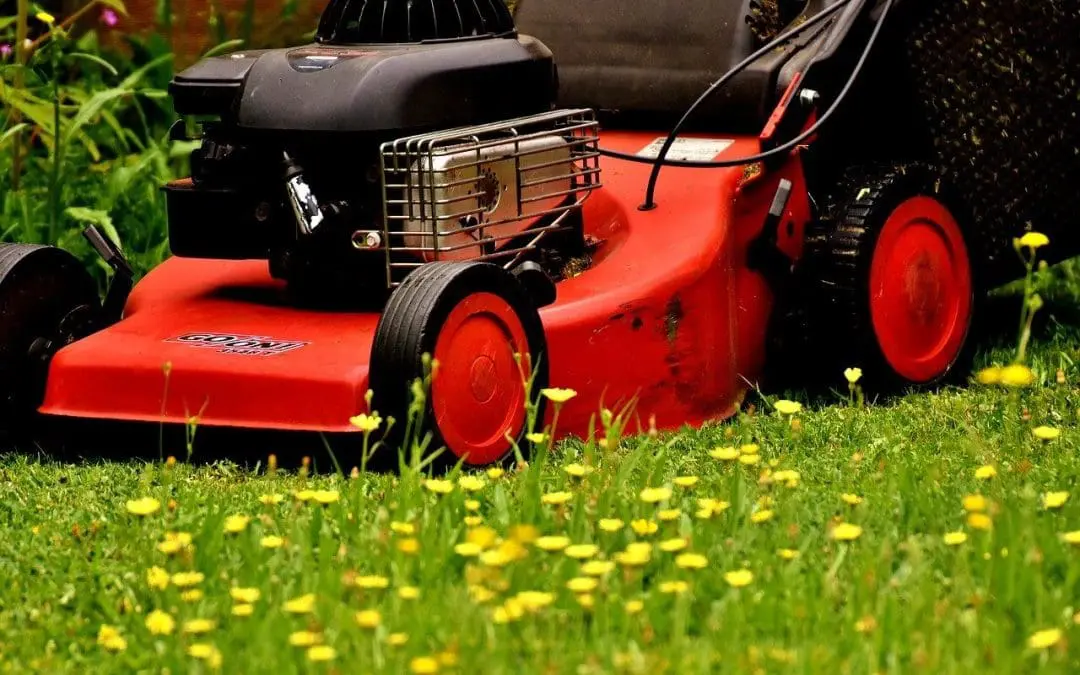
How you mow during summer has a direct impact on how well your lawn handles heat and drought stress. Raising your mowing height by half an inch to a full inch compared to spring keeps more leaf surface intact, shading the soil, retaining moisture, and supporting deeper root development. Never remove more than one third of the grass blade in a single mowing, as cutting too much at once puts significant stress on the root system. Keeping mower blades sharp ensures a clean cut that heals quickly rather than leaving ragged edges that turn brown and invite disease.
Lawn Care Watering Strategies That Actually Work
Watering is where many homeowners go wrong during summer. Frequent, shallow watering trains roots to stay near the surface where they’re most vulnerable to heat. Deep, infrequent watering encourages roots to follow moisture deeper into cooler soil layers, building the drought resilience that carries a lawn through dry stretches without daily intervention. Water in the early morning to minimize evaporation and reduce the fungal disease risk that comes with grass staying wet overnight. Drip irrigation or soaker systems deliver water efficiently directly to the root zone.
Managing Weeds and Pests Through the Season
Summer warmth accelerates weed growth and pest activity simultaneously. Addressing weeds early, before they establish and set seed, is far more effective than trying to manage a mature weed population mid-season. Grubs, chinch bugs, and sod webworms are all common summer lawn pests that cause significant damage if left unaddressed. Inspect the lawn regularly for irregular brown patches, thin turf, or signs of insect activity, and treat promptly with appropriate products before populations build to damaging levels.
Handling Lawn Care During Drought and Extreme Heat
When drought conditions or extreme heat arrive, adjusting your approach protects the lawn from additional stress. Raise the mowing height further, reduce mowing frequency as growth slows, and avoid any fertilizing during the hottest stretches. Pushing new growth in stressed turf creates soft, vulnerable tissue that’s more susceptible to further damage. If your lawn goes dormant during extreme heat, resist the urge to overwater in an attempt to green it back up. Dormancy is a natural survival mechanism, and the lawn will recover when temperatures moderate. A deep watering every two to three weeks is sufficient to keep dormant grass alive without encouraging active growth it can’t sustain.
Feed Your Lawn the Right Way at the Right Time
Fertilizing a summer lawn requires a lighter touch than spring feeding. Heavy fertilizer applications during peak heat can burn turf and stimulate excessive growth that the plant doesn’t have the resources to support. A light application of slow-release fertilizer in early summer provides steady, gentle nutrition that supports healthy color and density without overstimulating the lawn. Cool-season grasses are best left unfertilized during the hottest months, save that feeding for early fall when the grass is actively recovering and can make the best use of added nutrients.
Frequently Asked Questions (FAQs)
How often should I water my lawn in summer?
Most lawns need approximately one inch of water per week during summer, from either rainfall or irrigation. Rather than watering a little every day, water deeply two to three times per week to encourage deeper root development.
Should I fertilize my lawn in summer?
A light application of slow-release fertilizer in early summer is beneficial for most warm-season grasses. Cool-season grasses like fescue and bluegrass are better left unfertilized during peak heat.
Why does my lawn turn brown in summer?
Summer browning can result from drought stress, heat dormancy, pest damage, or fungal disease.
How do I keep weeds out of my lawn in summer?
A thick, healthy lawn is the best natural defense against weeds. Maintaining proper mowing height, watering deeply, and addressing any thin or bare areas promptly through overseeding reduces weed pressure significantly. For existing weeds, spot treatment with appropriate herbicides is more effective and less disruptive than broadcast applications across the entire lawn.
When is the best time to mow in summer?
Mid-morning or early evening is generally the best time to mow during summer.
Home Support Property Inspections offers professional inspections to first-time homeowners in Maryland and DC. Contact us to request our services.